
LEADERSHIP INSIGHTS
The Power of Storytelling in Leadership: Why Logos, Pathos and Ethos Still Matter
Originally written by George Perry, June 2021
Updated October 2026
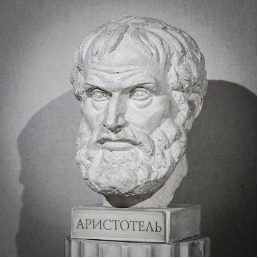
For more than 2,000 years, the principles of Logos, Pathos and Ethos have shaped our understanding of persuasive communication. First explored by the ancient Greeks, these three elements – logic, emotion and credibility – remain remarkably relevant to leadership today.
In an increasingly complex world, where artificial intelligence is transforming communication, teams are often geographically dispersed, and organisations face constant change, the ability to communicate with clarity, authenticity and purpose has never been more important.
Effective leadership is not simply about presenting information or explaining decisions. It is about creating understanding, building trust and inspiring people to act.
Storytelling is one of the most powerful ways leaders can achieve this. By combining rational thinking with emotional connection and personal credibility, leaders can communicate in ways that resonate with people and help create meaningful, lasting change.
Ancient Wisdom for Modern Leadership
The ancient Greek philosophers, including Aristotle, explored how people could communicate persuasively and influence others through reasoned argument, emotional connection and personal credibility.
Although the world has changed considerably since their time, the fundamental principles of human communication remain surprisingly consistent.
Whether delivering a presentation, communicating a new strategy, leading organisational change or speaking to a team, leaders still need to engage both the rational and emotional dimensions of human decision-making.
The Three Principles of Persuasive Communication
LOGOS – Logic and Reason
Presenting clear arguments, evidence and explanations that help people understand what is being communicated and why it matters.
PATHOS – Emotional Connection
Connecting with people's experiences, values and aspirations so that a message resonates beyond the facts alone.
ETHOS – Trust and Credibility
Demonstrating integrity, authenticity and competence so that people have confidence in both the message and the person delivering it.
Why All Three Matter
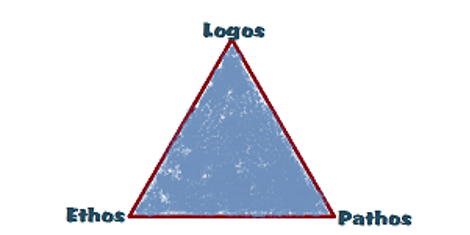
Logic alone rarely inspires people to change. Equally, emotional appeals without credible evidence may generate enthusiasm but fail to create lasting commitment.
Effective communication brings these elements together. Leaders need to explain the reasoning behind their decisions, connect those decisions to what matters to people and demonstrate that their actions are consistent with their words.
Consider a leader introducing a significant organisational change. They might use Logos to explain the business case, Pathos to acknowledge people's concerns and aspirations, and Ethos to demonstrate why they can be trusted to guide the organisation through the transition.
When these three elements work together, communication becomes more than the transfer of information. It becomes an opportunity to build understanding, confidence and shared commitment.
Storytelling in an AI-Enabled World
Artificial intelligence has made it easier than ever to generate presentations, reports, messages and other forms of communication. Yet the ability to produce information quickly does not automatically make that information meaningful or persuasive.
For leaders, the challenge is increasingly about making sense of information, explaining its significance and connecting it to the people affected by it.
A well-crafted narrative can help people understand not only what is happening, but why it matters and how they can contribute.
Technology can support the creation and delivery of messages, but credibility depends on the leader's judgement, values and behaviour. Authenticity remains essential.
The Art of Narrative Storytelling

In LeaderShape's Leadership Comes Alive podcast series, Karen Dean explored the art of narrative storytelling and its importance for effective leadership.
Karen emphasised that storytelling can help leaders create the conditions for organisations to become healthier, happier, more successful, inclusive, agile and sustainable.
At the heart of her approach is the importance of human connection. Leaders are there to lead people, and meaningful leadership depends on the ability to understand, engage and inspire those around them.
Stories can help leaders communicate their values, explain their purpose and enable others to recognise their own experiences within a shared narrative.
This is particularly relevant to Transpersonal Leadership, where leaders seek to move beyond their own ego and act with greater awareness of their impact on others.
Using Stories to Lead Change
Organisational change can create uncertainty. Even when leaders communicate the practical reasons for change, people may struggle to understand what it means for them personally.
Storytelling can help bridge this gap by connecting an organisation's past experiences, present challenges and future aspirations.
For example, rather than simply announcing a new strategy, a leader might explain how the organisation has evolved, what it has learned along the way and why the next stage of development is important.
A compelling narrative gives people a sense of continuity and purpose. It helps them see how their individual contributions connect to something larger.
However, storytelling must be supported by action. When leaders' behaviours contradict the stories they tell, trust can quickly be undermined.
The Power of Engagement

Stories can make complex information more accessible by connecting ideas to familiar situations, experiences and emotions.
Rather than presenting people with disconnected facts, a narrative provides context and helps them understand relationships between events, decisions and outcomes.
Research into narrative communication suggests that stories can support attention, understanding and memory, particularly when they are relevant and meaningful to the audience.
For leaders working with hybrid or geographically dispersed teams, storytelling can also help create a shared sense of identity and direction.
The most effective stories are not necessarily dramatic or elaborate. Often, a simple, authentic account of a real experience can be more powerful than a carefully polished corporate message.
PRACTICAL LEADERSHIP DEVELOPMENT
Top Tips for Effective Leadership Storytelling
Drawing on Karen Dean's insights, leaders can strengthen their storytelling by focusing on four principles:
1. Simplicity
Keep stories clear and focused. A strong narrative should communicate a central message without unnecessary complexity.
2. Detail
Use vivid, relevant details that help people picture the situation and connect with the experience.
3. Reality
Draw on genuine experiences that people can recognise and relate to.
4. Authenticity
Ensure that the story reflects your values and is consistent with your behaviour as a leader.
Storytelling and Transpersonal Leadership
Transpersonal Leadership places particular importance on self-awareness, emotional intelligence, values and the ability to lead beyond the ego.
These qualities are closely connected to effective storytelling.
Leaders who understand their own motivations and the needs of others are better placed to communicate with empathy and authenticity. They can use stories not simply to persuade people, but to encourage reflection, build shared understanding and support positive change.
Ultimately, the purpose of leadership communication should extend beyond winning an argument or securing agreement. It should help people understand, contribute and develop together.
Ancient Principles, Enduring Relevance
The ancient Greeks recognised that persuasive communication requires a balance of reason, emotion and credibility.
More than two millennia later, these principles remain highly relevant, even as technology transforms how we communicate and organisations continue to evolve.
For today's leaders, the challenge is to bring Logos, Pathos and Ethos together in ways that are authentic, purposeful and grounded in genuine human connection.
A good leadership story should acknowledge the past, help people make sense of the present and inspire confidence in the future.
Explore the Art of Narrative Storytelling
Listen to Karen Dean's two-part conversation on The Art of Narrative Storytelling in LeaderShape's Leadership Comes Alive podcast series.
Listen to the Podcasts →